The workplace is undergoing one of the most profound transformations in human history, and at the center of this shift lies AI technology. What once existed as experimental software or niche automation tools has now evolved into a foundational force driving productivity, innovation, and strategic decision-making across industries.
In 2026, AI technology will no longer be limited to tech companies or research labs. It is embedded in marketing teams, human resources departments, finance operations, healthcare administration, creative studios, customer support centers, and even leadership decision rooms. Businesses that effectively leverage AI technology are gaining a significant competitive advantage, while those that delay adoption risk falling behind.
This comprehensive guide explores how AI technology is shaping the future of work in 2026, the most important innovations driving this change, and what professionals and organizations must do to stay relevant in an AI-powered economy.
What Is AI Technology
AI technology refers to systems and software designed to perform tasks that normally require human intelligence. These tasks include learning from data, recognizing patterns, understanding language, making decisions, predicting outcomes, and adapting behavior based on experience.
Unlike traditional software that follows predefined rules, AI technology improves over time. It uses techniques such as machine learning, natural language processing, computer vision, and predictive analytics to refine its outputs continuously.
In the workplace, AI technology functions as both an assistant and an accelerator—enhancing human capabilities rather than simply replacing them. In 2026, this distinction is critical, as the most successful organizations view AI technology as a collaborative partner.
The Rapid Evolution of AI Technology in the Modern Workplace
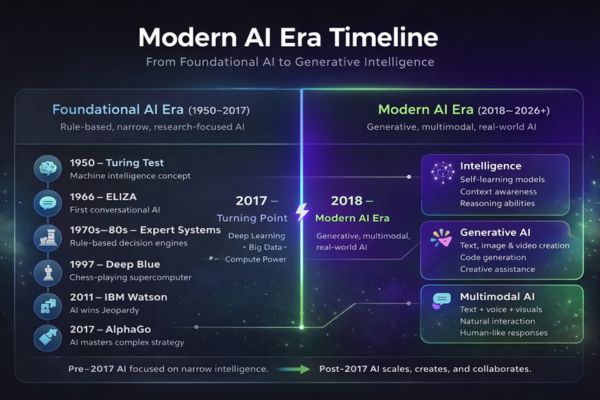
Over the past decade, AI technology has evolved from simple task automation to advanced intelligence systems capable of supporting high-level decision-making. Earlier workplace AI focused on basic chatbots, keyword analysis, and data sorting. Today, AI technology integrates across entire business ecosystems.
Key shifts in workplace adoption include:
- Movement from single-use AI tools to end-to-end AI platforms
- Transition from reactive automation to predictive intelligence
- Increased focus on user-friendly AI interfaces
- Stronger emphasis on trust, transparency, and ethical AI
In 2026, organizations no longer deploy AI technology in isolation. Instead, AI is woven into daily workflows, enabling faster execution, fewer errors, and more informed strategies.
| Area of Work | Role of AI Technology |
|---|---|
| Productivity | Automates tasks and optimizes workflows |
| Decision-Making | Provides predictive and data-driven insights |
| Hiring | Improves candidate matching and reduces bias |
| Learning | Creates personalized upskilling paths |
| Remote Work | Enhances collaboration and workload balance |
| Creativity | Assists with ideation, writing, and design |
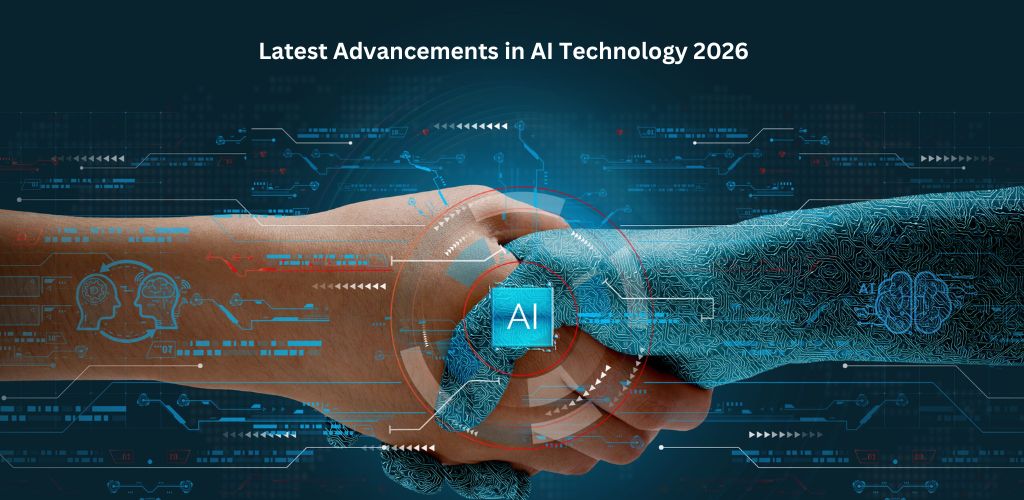
Latest Advancements in AI Technology 2026
The year 2026 represents a maturity phase for AI technology. Innovation is no longer just about speed or scale—it is about intelligence, context, and human alignment. These advancements are transforming how work is structured, measured, and optimized.
Below are the most influential developments redefining the future of work.
1. Hyper-Personalized AI Work Assistants
One of the most transformative uses of AI technology in 2026 is the rise of highly personalized AI work assistants. These systems go far beyond simple task reminders or voice commands.
Modern AI assistants can:
- Learn individual working patterns
- Understand communication preferences
- Anticipate deadlines and priorities
- Adapt recommendations based on context
For example, a marketing professional can rely on AI technology to analyze campaign performance, suggest optimization strategies, generate reports, and even draft creative content based on previous brand tone.
This personalization significantly reduces cognitive overload and allows professionals to focus on high-impact work instead of administrative tasks.
2. Intelligent Automation Across Complex Business Processes
Traditional automation focused on repetitive, rule-based tasks. In 2026, AI technology has elevated automation to a new level—handling complex, multi-step workflows that require logic and decision-making.
Examples include:
- Automated vendor onboarding and compliance checks
- AI-managed inventory forecasting and procurement
- End-to-end invoice processing and reconciliation
- Dynamic customer support ticket resolution
This evolution allows organizations to operate with leaner teams while increasing accuracy and speed. Among all ai technology advancements, intelligent automation delivers one of the highest returns on investment.
3. AI-Driven Decision Intelligence and Predictive Analytics
Decision-making in modern organizations is increasingly powered by AI technology. In 2026, businesses rely on AI-driven decision intelligence platforms to process massive volumes of data and convert insights into action.
These systems help leaders:
- Predict market demand fluctuations
- Identify risks before they escalate
- Optimize pricing and revenue strategies
- Allocate resources more effectively
Rather than relying on intuition alone, executives use AI technology to validate decisions with data-backed forecasts. This reduces uncertainty and improves long-term planning accuracy.
4. Human-AI Collaboration Models in the Workplace
The future of work is defined by collaboration between humans and AI technology, not competition. In 2026, organizations design workflows where AI handles analysis and execution, while humans provide creativity, judgment, and empathy.
Human-AI collaboration enables:
- Faster project delivery
- Higher quality outputs
- Reduced error rates
- Enhanced innovation
For example, in content teams, AI technology may generate drafts or research summaries, while humans refine messaging and strategy. This synergy represents a fundamental shift in how work is distributed.
5. Advanced Natural Language and Multimodal AI Systems
Communication with AI technology has become more intuitive than ever. In 2026, AI systems understand and respond to natural language, images, documents, audio, and video simultaneously.
This means employees can:
- Ask complex questions in plain language
- Upload files for instant analysis
- Interact with AI through voice or chat
- Combine multiple data formats in one query
Such multimodal capabilities remove technical barriers and democratize access to AI technology across departments, including non-technical roles.
6. Ethical, Explainable, and Responsible AI Systems
With increased reliance on AI technology, concerns around bias, privacy, and accountability have intensified. In response, 2026 has seen strong adoption of ethical and explainable AI frameworks.
Modern AI systems now include:
- Transparent decision logic
- Bias detection and mitigation tools
- Human-in-the-loop controls
- Compliance with global data regulations
Organizations that prioritize responsible AI technology gain trust from employees, customers, and regulators—making ethics a strategic advantage rather than a limitation.
7. AI Technology Transforming Hiring and Talent Management
Human resources is one of the most impacted areas by AI technology in 2026. Recruitment and talent management processes are becoming smarter, faster, and more objective.
AI-powered HR systems can:
- Match candidates to roles based on skills, not keywords
- Reduce unconscious bias in screening
- Predict employee performance and retention
- Personalize learning and career pathways
These capabilities enable organizations to build stronger teams while improving employee satisfaction and retention—another major example of impactful AI technology advancements.
8. AI-Enhanced Learning, Upskilling, and Workforce Development
Continuous learning is essential in an AI-driven economy. In 2026, AI technology powers adaptive learning platforms that evolve with each employee’s progress.
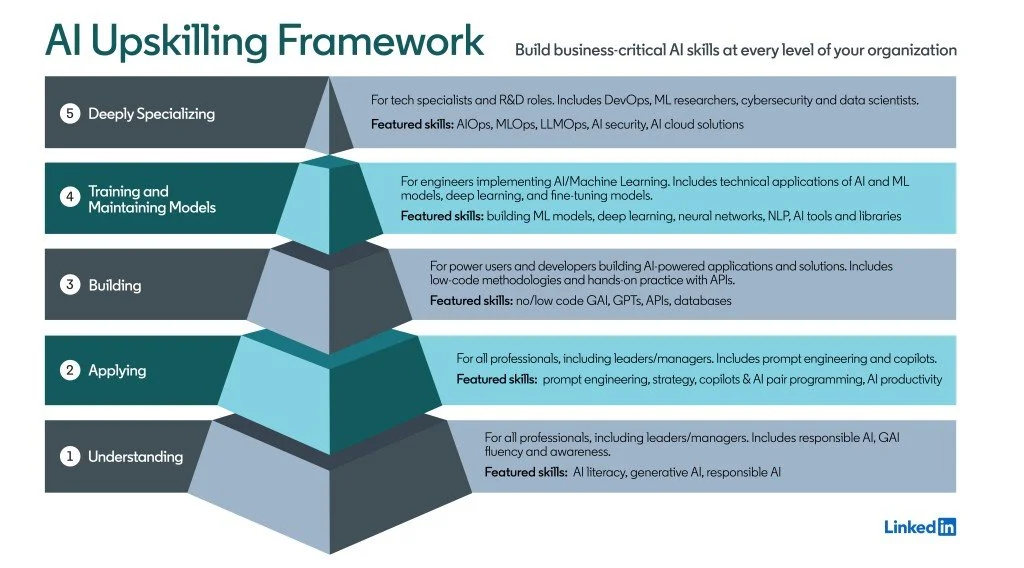
These platforms:
- Identify real-time skill gaps
- Recommend personalized learning paths
- Measure training effectiveness
- Align development goals with business strategy
As job roles change rapidly, AI technology ensures that the workforce remains future-ready without relying on one-size-fits-all training programs.
9. AI Technology Optimizing Remote and Hybrid Work
Remote work relies heavily on AI technology to remain efficient and sustainable. In 2026, AI systems help organizations manage distributed teams without invasive monitoring.
AI supports:
- Smart workload distribution
- Burnout risk detection
- Productivity trend analysis
- Collaboration optimization
By focusing on outcomes rather than hours, AI technology helps create healthier and more productive remote work environments.
10. Creative AI Supporting Knowledge and Innovation Work
Creative professionals increasingly collaborate with AI technology to accelerate ideation and execution. In 2026, AI assists with writing, design, research, coding, and strategic brainstorming.
Instead of replacing creativity, AI technology enhances it—allowing professionals to focus on originality, storytelling, and problem-solving.
Industry-Specific Impact of AI Technology
AI Technology in Marketing
Personalization, predictive analytics, audience segmentation, and conversion optimization are powered by AI technology in modern marketing teams.
AI Technology in Finance
From fraud detection to financial forecasting, AI technology enables faster, safer, and more accurate financial operations.
AI Technology in Healthcare Administration
Administrative workflows benefit from AI technology, improving efficiency while allowing healthcare professionals to focus on patient care.
AI Technology in IT and Software Development
AI-assisted coding, testing automation, and system monitoring significantly reduce development cycles and errors.
How AI technology is shaping the future of work in 2026
AI technology is shaping the future of work by:
- Automating complex and repetitive business tasks
- Enhancing decision-making with predictive insights
- Personalizing employee workflows and learning paths
- Improving remote and hybrid work productivity
- Supporting creativity, innovation, and collaboration
This transformation allows humans to focus on strategic, creative, and people-centric work while ai technology handles data-driven execution.
Preparing for the AI-Driven Future of Work
To succeed in an AI-powered workplace, professionals and businesses should:
- Invest in AI literacy and training
- Embrace human-AI collaboration
- Focus on creativity, empathy, and leadership skills
- Build ethical AI governance frameworks
Adaptability will define success in the age of AI technology.
Final Thoughts
In 2026, AI technology is not just transforming how work gets done—it is redefining what work means. The future belongs to organizations and individuals who understand how to harness AI technology responsibly, strategically, and creatively.
As AI technology continues to evolve, the most successful workplaces will be those where human intelligence and artificial intelligence work together to create sustainable growth, innovation, and meaningful impact.
Also Read: Perplexity AI Search Engine Features (2026 Guide)
Frequently Asked Questions About AI Technology
How does AI technology improve productivity at work?
AI technology enhances productivity by automating repetitive tasks, analyzing large datasets efficiently, and providing employees with intelligent recommendations and workflow optimization.
Will AI technology replace jobs in the future?
AI technology will change job roles rather than replace all jobs. While some tasks are automated, new roles focused on strategy, creativity, and AI management continue to emerge.
What skills are important in an AI-driven workplace?
Key skills include analytical thinking, creativity, adaptability, emotional intelligence, and the ability to work alongside AI technology.
Is AI technology safe for businesses?
When implemented responsibly with ethical guidelines and data security measures, AI technology is safe and highly beneficial for businesses.